2025 — Present
Board Member, Empowerment Director
CliMates Nepal · Kathmandu
Develops and oversees strategic empowerment initiatives for climate advocacy; ensures legal and regulatory compliance of the organization.
Championing rights, telling stories, and exploring the world with purpose.
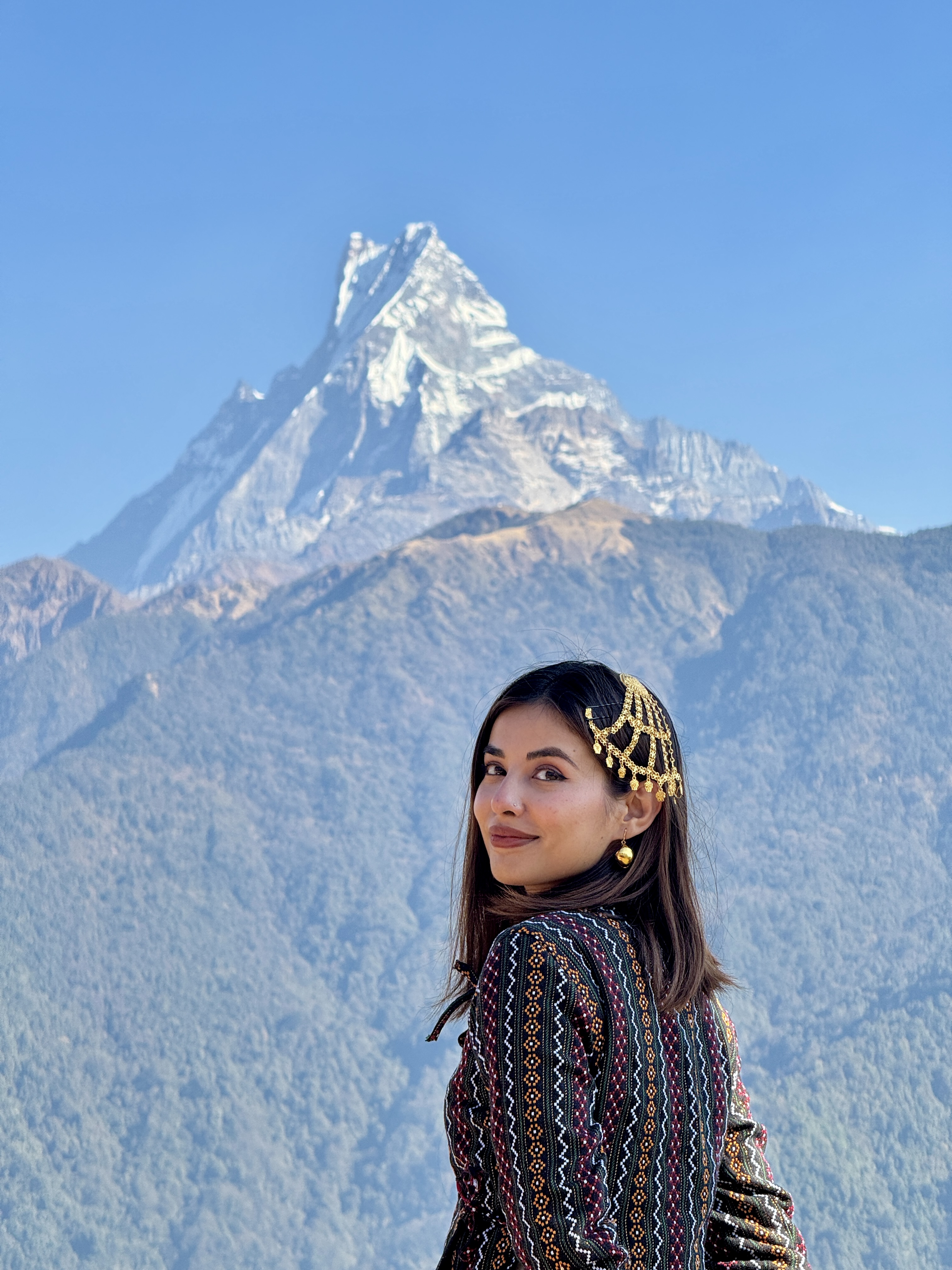
My work sits at the intersection of public health, lived experience, and storytelling. My commitment to sexual and reproductive health and rights is rooted in my own experience of menstrual discrimination from the time of my first period and strengthened through years of working alongside communities across Nepal, where access, dignity, and bodily autonomy remain deeply unequal. Through advocacy, research, and creative expression, I strive to make public health more inclusive, visible, and grounded in people's lived realities..
"I believe in advocacy that is as bold as the mountains I climb."
Public health professional with over five years of experience advancing young people's Sexual and Reproductive Health and Rights (SRHR) through program leadership, policy advocacy, research, and community engagement. My work spans menstrual health, family planning, safe abortion, comprehensive sexuality education, and gender-responsive health systems, with a strong commitment to advancing the rights of women, adolescents, and individuals assigned female at birth. Throughout my career, I have led national and community-based initiatives, trained healthcare providers, engaged young people across Nepal, and collaborated with government and development partners to strengthen evidence-informed SRHR policies and programs.
Beyond public health, I am an advocacy artist, storyteller, and event host who believes creative expression can be a powerful tool for social change. I also enjoy solo trekking across the Himalayas and creating travel content that promotes sustainable and responsible tourism.
Capabilities spanning research, advocacy, and creative practice — built across field programs, policy rooms, and community halls.
A curated timeline across research, advocacy, and field engagement — highlighting not just roles and outputs, but intent, impact, and learning behind each contribution.
Develops and oversees strategic empowerment initiatives for climate advocacy; ensures legal and regulatory compliance of the organization.
Leads menstrual rights and SRHR advocacy programs; manages research on menstrual discrimination among transmen in Nepal; coordinates project activities and stakeholder engagement across program cycles.
Led USAID PACE Project on youth contraceptive discontinuation; directed four-year SAAF-funded YAAY project training 56 youth champions & 28 media fellows; led the #Youth4GenerationEquality campaign (UNFPA) securing four GoN commitments.
Deepened expertise in legal frameworks around reproductive rights; contributed to policy advocacy on abortion decriminalization in Nepal.
Selected as a fellow for using visual art to challenge abortion stigma; contributed to international network of artists and advocates working at the intersection of art and reproductive rights.
Coordinated Green Fellowships with Local Government, supporting 55 fellows and 37 local governments during COVID-19; led social media campaigns and managed partnerships with 15 climate networks.
A growing body of research in SRHR, menstrual health, and climate — spanning peer-reviewed studies, policy briefs, and community-led inquiry rooted in Nepal's lived realities.
Qualitative study surfacing the intersection of gender identity and menstrual stigma in urban and peri-urban Nepal.
Read studyProgram brief distilling field findings and policy implications for Nepal's adolescent reproductive health ecosystem.
Read briefDocumentation of four Government of Nepal commitments secured through a multi-province youth advocacy campaign.
Read reportReflections on live painting as an advocacy tool in formal public health settings, and what it changes in the room.
Read essayOverview of Nepal's legal framework on reproductive rights, written for youth organizers and advocacy practitioners.
Read primerCross-site learning from the Green Fellowship cohort during COVID-19 — documenting what worked and what didn't.
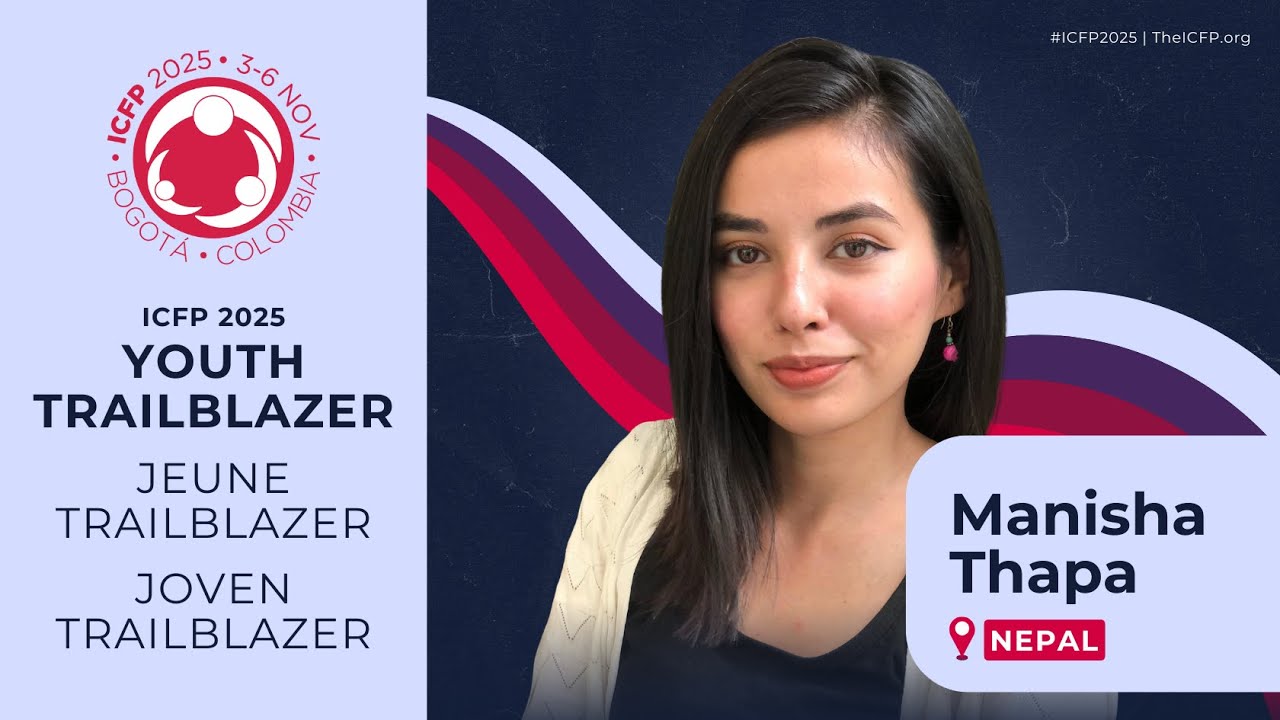
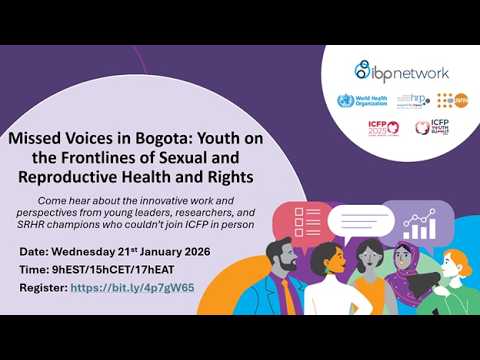
Read findingsPodcasts, keynotes, and features — click any thumbnail to play.
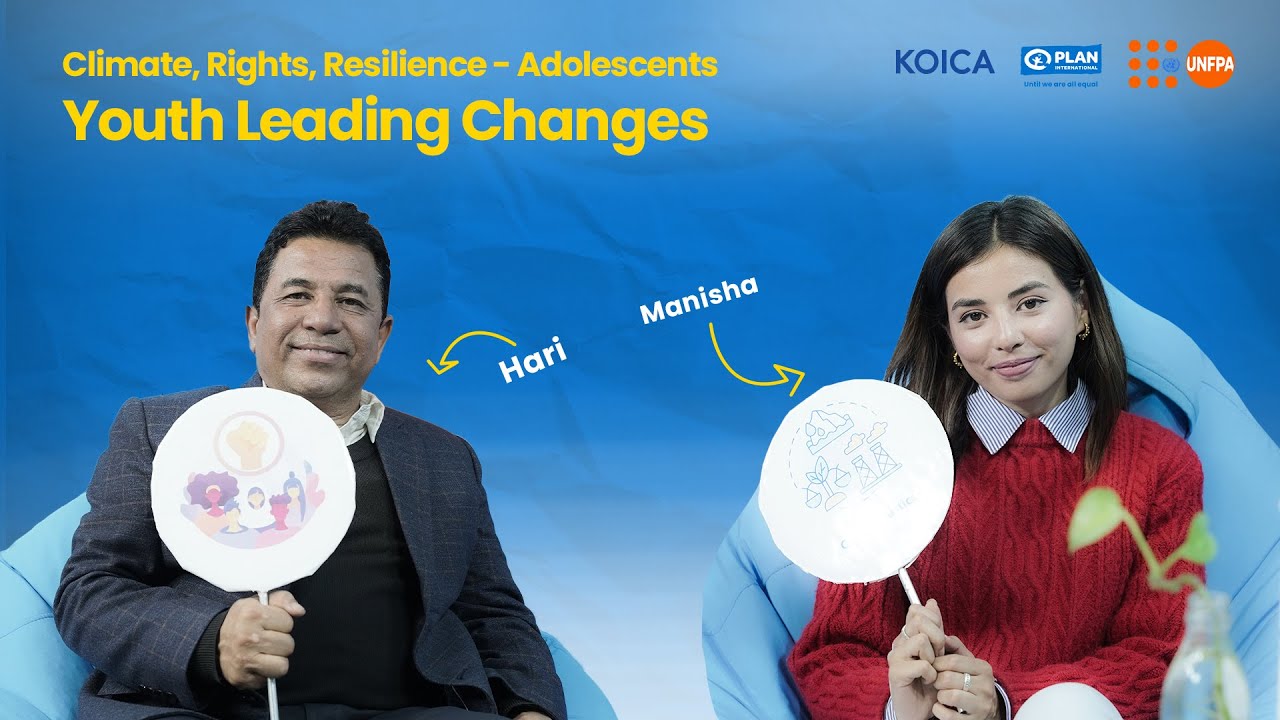

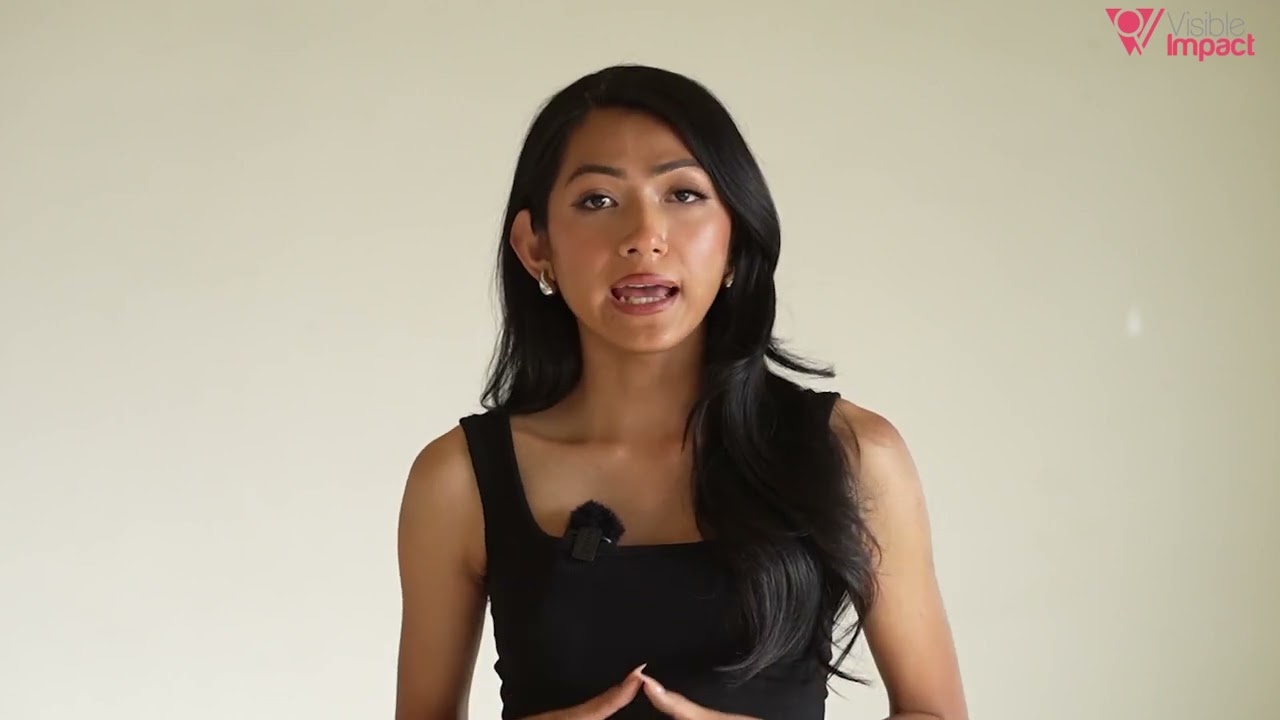
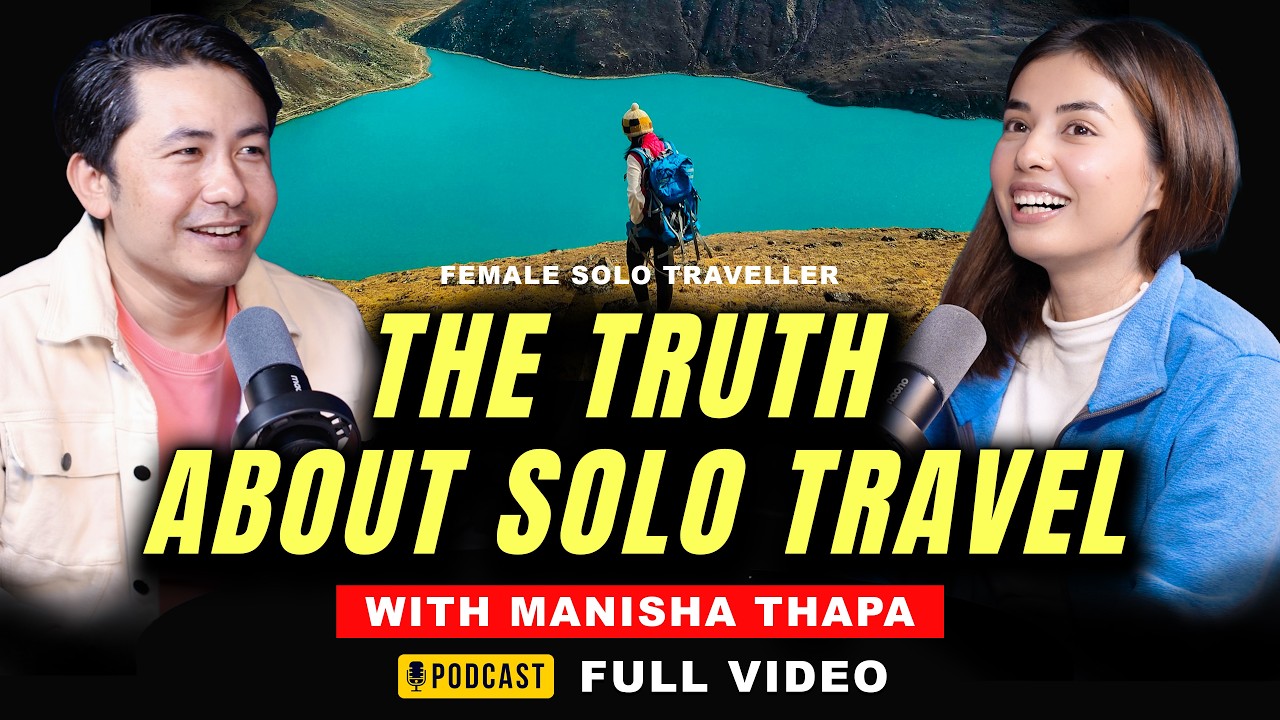
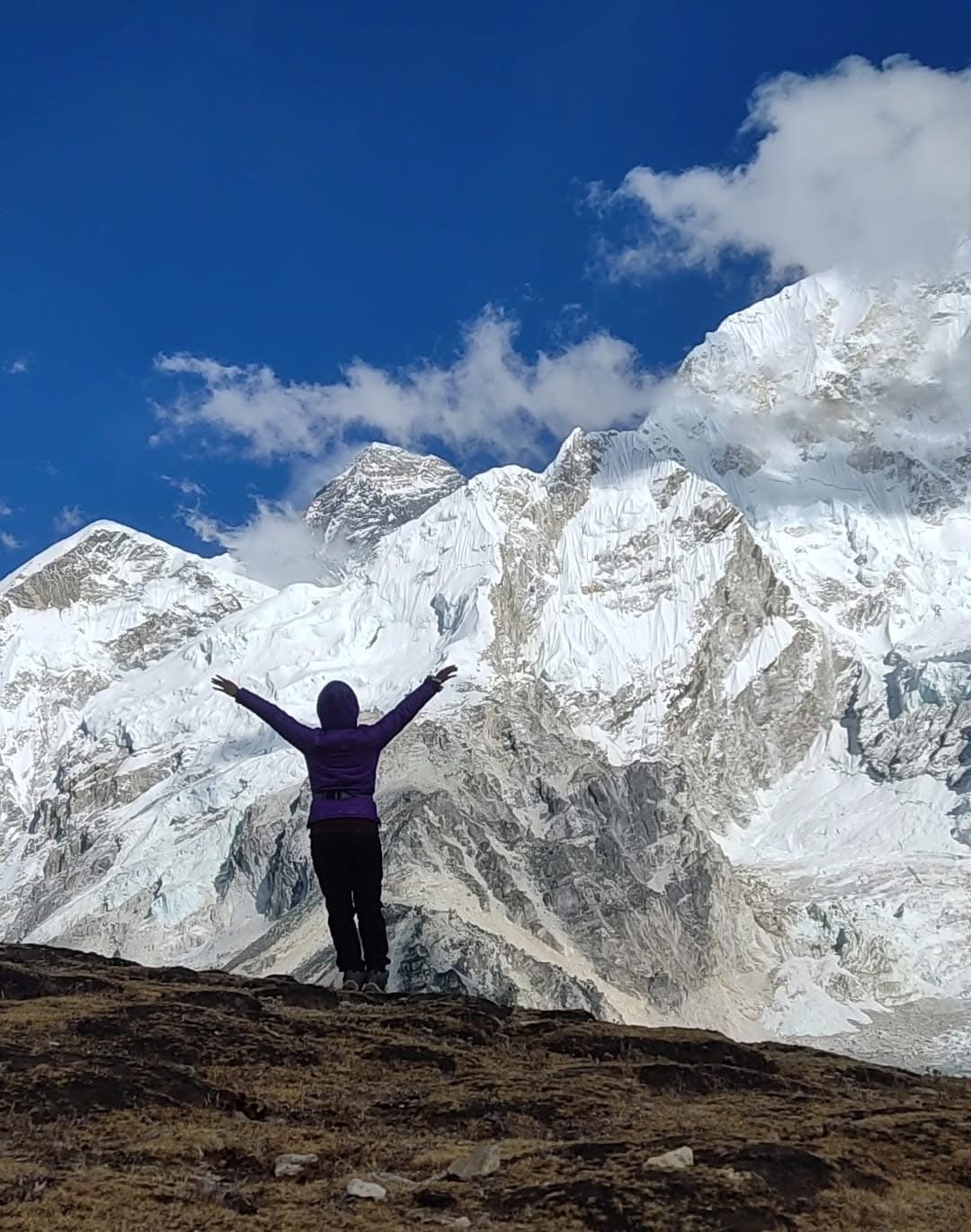
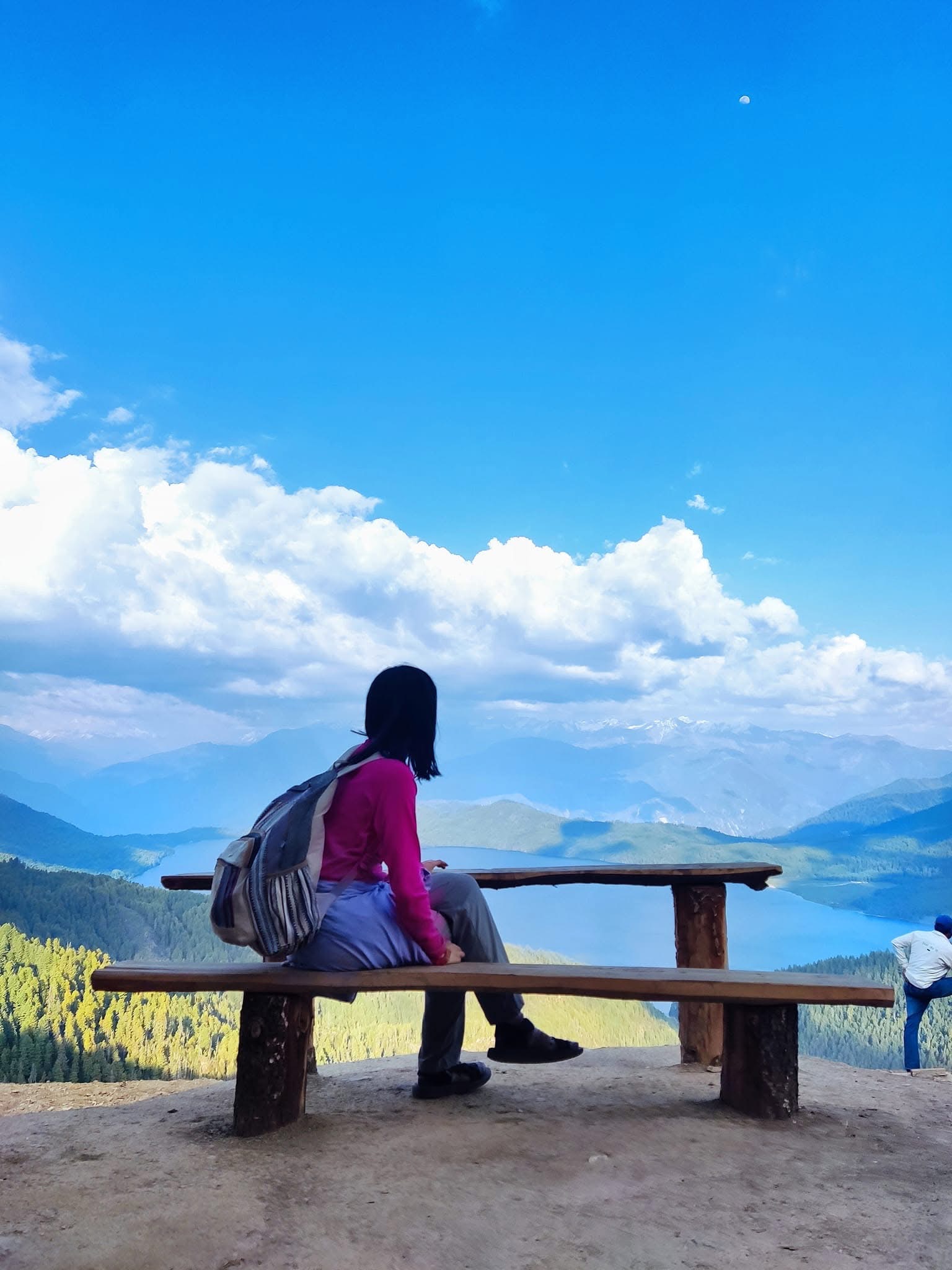
Solo travel is a quiet form of research — it sharpens curiosity, humility, and the ability to listen. Since 2020, I've documented journeys across the Himalayas, South and South-East Asia, and beyond, sharing the cultures, the people, and the unspoken lessons a map can't hold.
The same questions I carry into policy rooms — about dignity, access, and who gets to be heard — follow me onto trains, trails, and tea-stalls.
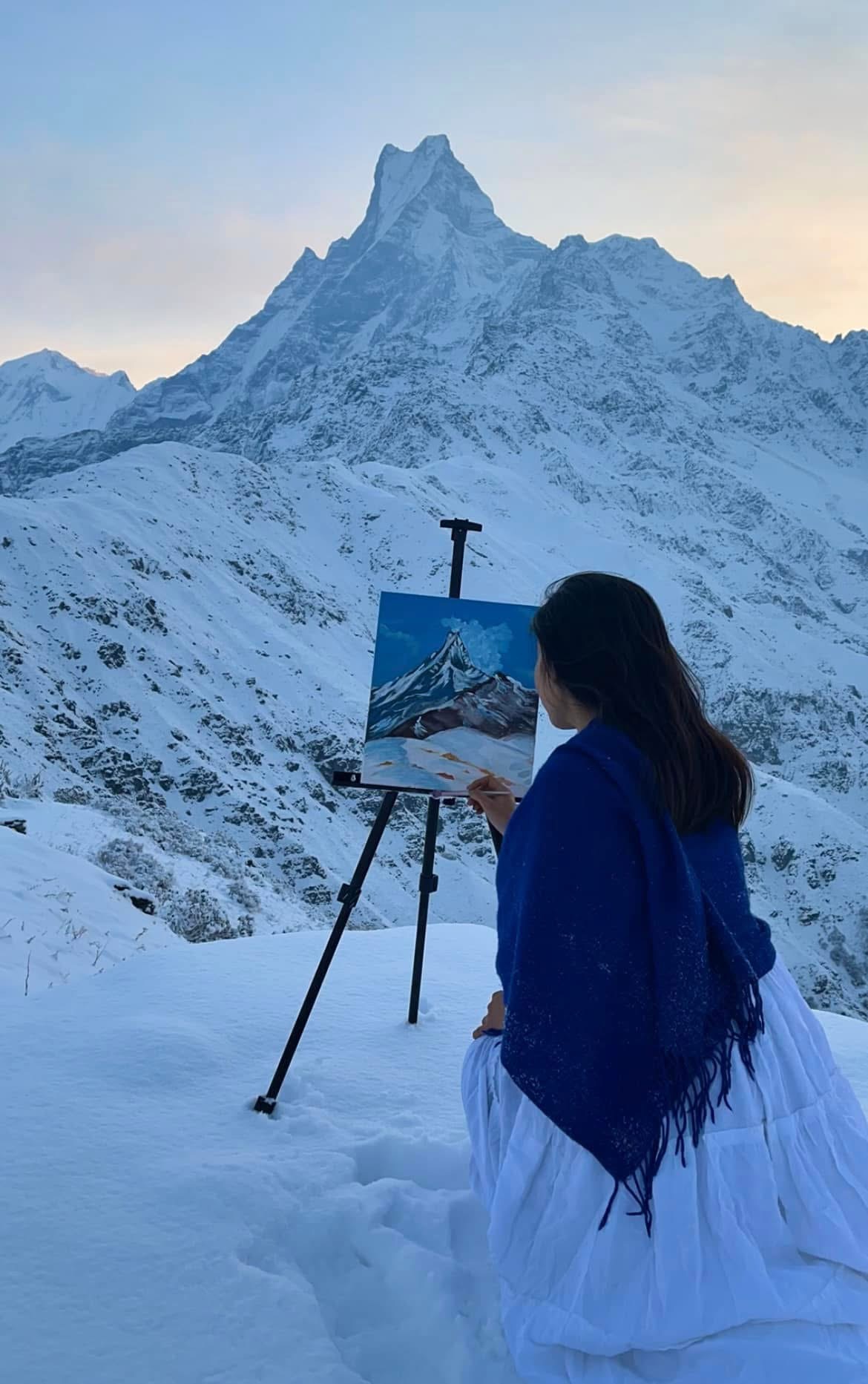
Instagram is where I hold office hours with a different audience. Content creation — reels, carousels, live spaces — is a way to translate research into something a teenager in a village, a policymaker in Kathmandu, and a friend in Bali can all receive on the same scroll.
The work covers solo female travel, SRHR literacy, art process, and the small everyday beauty of life in Nepal. It's not a separate stream — it's the same advocacy, in a language the algorithm understands.
A quiet record of mountains, field days, and moments between the work — photographs from trail, travel, and community.